
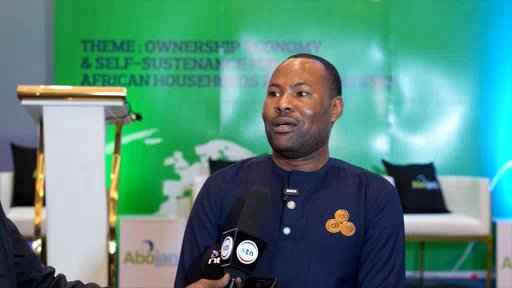
Abojani Investment hosted its 5th Abojani Economic Empowerment Conference today, convening investors, policymakers, CEOs, and regional financial leaders to examine wealth creation, consumer financial literacy, and reforms needed for Africa’s economic resilience.
The 2025 forum centered on a rapidly shifting financial landscape with information saturation, growing demand for credible financial guidance, and the rise of digital investment tools reshaping how African households build and preserve wealth.
Battling the Digital Noise
Abojani Investment Founder and CEO Robert Ochieng opened the conference with a stark assessment of the challenge facing modern consumers.
“We are living in an era of overwhelming information overload,” Ochieng said. “What people truly need is empowerment—credible guidance that enables informed financial decisions.”
Ochieng underscored the increasing importance of social, mental, and relationship capital in shaping financial success. He urged households to shift toward equity participation, arguing that ownership is the foundation of long-term wealth.
“If you can own shares in the companies whose products you use, you’re essentially getting wealthier as you spend,” he said.
Pension Reform Takes Center Stage
The event coincided with the Retirement Benefits Authority’s (RBA) 25th anniversary, adding fresh momentum to discussions around retirement security.
RBA’s John Keah highlighted the regulator’s reform agenda aimed at strengthening pension adequacy.
He noted that current laws allow retirees to withdraw up to 50% of their pension savings on exit, a practice the Authority now believes undermines long-term financial stability. The RBA is proposing to reduce the threshold to 30%, a move Keah says will safeguard retirement incomes.
“This year marks 25 years of the RBA, and Abojani’s work aligns strongly with our mission of empowering Kenyans on retirement planning,” he said.
Banks Push for an Ownership Economy
Delivering the keynote address, Dr. Diane Karusisi, CEO of the Bank of Kigali, called on financial institutions to take a more active role in building household assets across the continent.
“Banks must drive the ownership economy—helping individuals acquire homes, expand businesses, and build generational wealth,” she said.
Karusisi also pressed regulators to rethink capital markets frameworks, noting that stringent listing requirements in many African markets lock out early-stage but high-potential companies.
NCBA Unveils Global Investment Options
In a major announcement, NCBA Investment Bank, led by Managing Director Muathi Kilonzo, introduced a suite of new offshore investment solutions designed to give clients direct access to global markets.
“We’re leveraging NCBA’s global footprint to provide safe, well-regulated, and professionally managed offshore opportunities,” Kilonzo said.
The offering includes currency diversification tools and global portfolio access—critical at a time when local investors are seeking hedges against currency fluctuations and market concentration risk.
Regional Leaders Spotlight Cross-Border Opportunities
Panelists from across East Africa—including Centum Re’s Anthony Watare, Absa Bank Kenya’s Steven Omamo, and CIC Asset Management’s Nicholas Ngumunu—highlighted the strategic role of cross-border capital flows, regional integration, and digital innovation in driving Africa’s next phase of economic transformation.
The consensus was clear: Africa’s financial future depends on a combination of credible financial education, institutional reform, and technology-driven investment pathways that unlock broader participation in wealth creation.



One thought on “Abojani pushes financial literacy, pension reform, and digital innovation to the forefront at Economic Empowerment Summit”