Have you ever thought about fire safety at home beyond the obvious precautions? From cooking meals to lighting candles or using a lighter, fire is part of our everyday lives, yet we rarely think about how quickly a routine activity can turn into an emergency.
A kitchen fire, a gas leak or an accidental ignition can happen in seconds, but knowing what to do, having the right safety tools and understanding how to respond can make all the difference.
Often, it is not just about preventing accidents, but being prepared to handle them when they happen. Knowing how to put out a small fire, when not to use water, keeping flammable materials away from heat sources and having an escape plan are simple precautions that could help protect lives and property.
Fire safety does not have to be complicated; it starts with awareness and being equipped with the right knowledge.
Speaking during a media hangout, BIC East Africa General Manager, Paloma Lengema, highlighted the importance of quality, safety and responsible use of fire, noting that these considerations are central to BIC’s approach to manufacturing lighters. BIC’s promise, “Our quality, your safety,” reflects its focus on producing reliable products while encouraging consumers to handle fire responsibly.
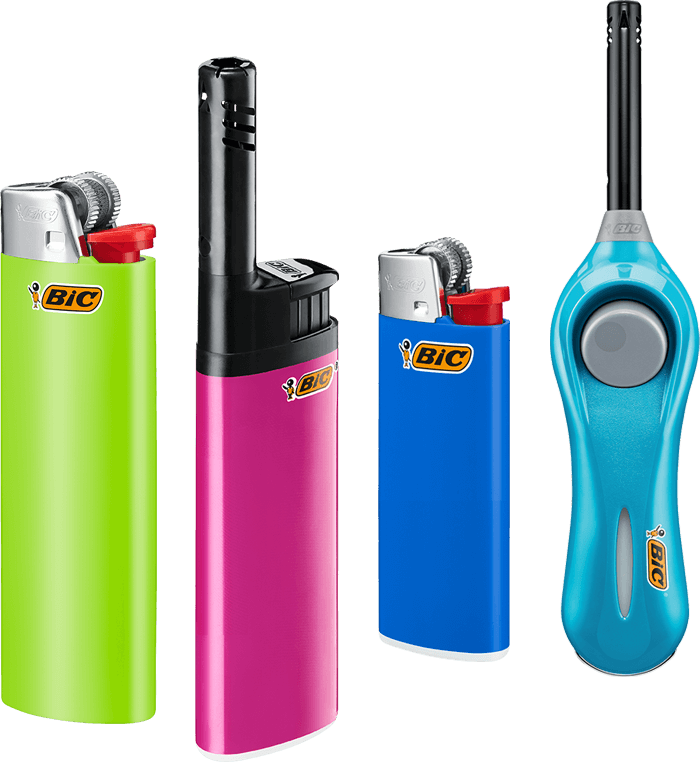
BIC is the world’s leading pocket lighter brand, a position it attributes to its focus on quality, innovation and safety. Each lighter undergoes more than 50 individual automated quality and safety checks before leaving the factory.
The company also highlighted the materials used in manufacturing its lighters. Filled with pure isobutane, BIC lighters are designed to deliver a stable flame without spitting or sputtering. Their bodies are made using Delrin, a durable material known for its resistance to impact, heat and pressure.
A BIC Maxi lighter can deliver up to 3,000 lights, offering longevity alongside the brand’s focus on safety and quality.
Fire safety was a key part of the discussion, with practical reminders on how to prevent common household incidents. Candles, gas cookers, matches and lighters are everyday items, but when handled carelessly, they can quickly become hazards. Never leave candles or cooking unattended, keep matches and lighters out of children’s reach, and ensure curtains, clothes, papers and other flammable materials are kept away from open flames.
Knowing what to do in an emergency is just as important as prevention. The session covered basic fire response, including the PASS technique for using a fire extinguisher: Pull the pin, Aim at the base of the fire, Squeeze the handle and Sweep from side to side.
For very small cooking fires, salt or baking soda may help smother flames, while flour should never be used because it is combustible and can cause a dangerous flash fire. Gas fires should never be tackled with water. A fire blanket or dry sand may help smother flames by cutting off oxygen, provided it is safe to intervene. Turning off the gas supply should only be attempted if it can be done safely.
Households were also encouraged to have an escape plan and know at least two ways out of every room where possible. In an emergency, having a clear exit route and knowing where to go can be just as important as knowing how to put out a fire.
Ultimately, safety is about being prepared before an emergency happens. Whether it is cooking dinner, lighting a candle or using a pocket lighter, understanding the risks associated with fire and knowing how to handle them responsibly can make a difference.
Through its focus on quality and safety, BIC is reminding consumers that a lighter is not simply a tool for creating a flame. It also comes with the responsibility of using fire carefully, making safety a consideration in the everyday moments that make up life at home.